


 +86-731-89578196
 [email protected]


- Home
- Our Company
-
Products
Sputtering Targets
- Industries
- Blog
- FAQ
- Contact Us

Plasma Spray Coatings: A Complete Guide to Coating Materials, Process, and Applications
What Are Plasma Spray Coatings?
Plasma spray coatings are a type of thermal spray coating used to improve the surface properties of industrial parts. This process uses a high-temperature plasma flame to heat coating materials and spray them onto a part surface, forming a protective coating layer.
During the process, coating materials are usually added as powders. The plasma flame melts or softens the powder particles and sprays them onto the surface at high speed. After cooling, these particles form a strong coating that helps protect the part.
Plasma spray coatings can improve many important properties, including:
- Wear resistance – helps parts withstand friction and abrasion
- Corrosion resistance – protects components from chemicals and harsh environments
- High-temperature resistance – allows parts to work under extreme heat
- Thermal protection – reduces heat damage in high-temperature applications
A major advantage of plasma spray technology is that it can use many different coating materials, including ceramics, metals, and alloys. Common materials include aluminum oxide (Al₂O₃), zirconium oxide (ZrO₂), chromium oxide (Cr₂O₃), titanium oxide (TiO₂), and nickel-based alloys.
Today, plasma spray coatings are widely used in industries such as aerospace, semiconductor equipment, energy, automotive, and industrial machinery. Choosing the right coating material is important because the material properties directly affect coating performance and service life.
How Does Plasma Spray Coating Work?
The plasma spray coating process uses a high-temperature plasma jet to heat and deposit coating materials onto a component surface. The process allows materials with high melting points, such as ceramics and metal alloys, to be applied as protective coatings.
The basic process includes four main steps:
1. Generating the Plasma Jet
A plasma spray system uses an electric arc to heat a gas, such as argon, nitrogen, or hydrogen. The gas becomes ionized and forms a high-temperature plasma flame.
This plasma jet provides the energy needed to melt or soften the coating material.
2. Feeding the Coating Material
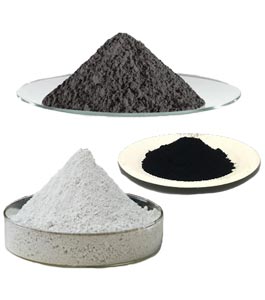
The coating material is usually supplied in the form of fine powder. The powder is injected into the plasma jet, where it is rapidly heated.
Different materials can be used depending on the required coating performance, including ceramic powders, metal powders, and alloy powders.
3. Spraying and Deposition
The heated particles are accelerated by the plasma jet and sprayed onto the surface of the workpiece at high speed.
When the particles hit the surface, they flatten, cool, and build up layer by layer, forming a strong coating.
4. Forming the Final Coating
After spraying, the coating forms a protective layer with specific properties based on the material selection and process conditions.
Factors such as powder composition, particle size, purity, spraying parameters, and substrate preparation can affect coating quality, including bonding strength, density, and durability.
Because plasma spray can process a wide range of materials and create coatings with different functions, it has become an important technology for improving the performance and service life of industrial components.
Types of Plasma Spray Coating Technologies
Plasma spray coatings can be produced using different spraying methods depending on the application requirements. The main differences between these technologies are the spraying environment, coating density, oxidation control, and final coating performance.
The three commonly used plasma spray methods are:
- Atmospheric Plasma Spray (APS)
- Vacuum Plasma Spray (VPS)
- High Velocity Plasma Spray (HVPS)
Each method has its own advantages and is selected based on the material type and required coating performance.
Atmospheric Plasma Spray (APS)
Atmospheric Plasma Spray (APS) is the most widely used plasma spray method. As the name suggests, the process is carried out in normal atmospheric conditions without a vacuum chamber.
During APS, coating powders are injected into a plasma flame, heated, and sprayed onto the surface of a component. This method is suitable for a wide range of materials, especially ceramic coatings.
Common APS coating materials include:
- Aluminum oxide (Al₂O₃)
- Zirconium oxide (ZrO₂)
- Chromium oxide (Cr₂O₃)
- Titanium oxide (TiO₂)
Advantages of APS:
- Lower equipment cost
- Suitable for large and complex components
- Flexible material selection
- Widely used in industrial applications
Typical applications include thermal barrier coatings, wear-resistant coatings, and corrosion protection coatings.
Vacuum Plasma Spray (VPS)
Vacuum Plasma Spray (VPS) is performed inside a controlled vacuum or inert gas environment. This reduces the contact between the sprayed material and oxygen, helping to prevent oxidation during the coating process.
Compared with APS, VPS can produce coatings with:
- Higher purity
- Lower oxidation levels
- Better coating density
- Stronger bonding strength
VPS is especially suitable for materials that are sensitive to oxidation, such as titanium, zirconium, and other reactive metals.
Typical applications include:
- Aerospace components
- High-performance metal coatings
- Advanced engineering parts requiring high coating quality
High Velocity Plasma Spray (HVPS)
High Velocity Plasma Spray (HVPS) uses a high-energy plasma jet to accelerate coating particles to higher speeds. When these particles impact the substrate, they create a denser coating structure with improved bonding performance.
Compared with standard plasma spray processes, HVPS can provide:
- Higher coating density
- Improved wear resistance
- Stronger adhesion
It is commonly used in demanding applications where coating performance is critical, such as:
- Aerospace components
- High-wear industrial parts
- Medical and precision components
When choosing a plasma spray technology, manufacturers need to consider factors such as coating material, operating temperature, wear conditions, corrosion environment, and required coating performance. The right combination of process and material selection is essential for achieving reliable and long-lasting coatings.
Advantages of Plasma Spray Coatings
Plasma spray coatings are widely used because they can improve the surface performance of components without changing the base material. By adding a protective coating layer, manufacturers can enhance durability and extend the service life of industrial parts.
The main advantages of plasma spray coatings include:
Excellent Wear Resistance
Plasma spray coatings can provide a hard and durable surface that helps components resist friction, abrasion, and mechanical wear.
Materials such as aluminum oxide (Al₂O₃), chromium oxide (Cr₂O₃), and tungsten carbide-based materials are commonly selected when high wear resistance is required.
High Temperature Resistance
Many plasma spray materials can maintain stable performance under extreme heat conditions.
Ceramic coatings, especially zirconium oxide (ZrO₂)-based coatings, are valued for their low thermal conductivity and ability to protect components from high temperatures.
Strong Corrosion Resistance
Plasma spray coatings can create a protective barrier that helps prevent damage caused by chemicals, moisture, and corrosive environments.
Materials such as chromium oxide and nickel-based alloys are often used when corrosion protection is an important requirement.
Flexible Material Selection
A major advantage of plasma spray technology is its ability to use a wide variety of coating materials, including:
- Ceramic materials for hardness, insulation, and thermal protection
- Metal and alloy materials for toughness and corrosion resistance
- Specialized materials for high-performance applications
This flexibility allows manufacturers to develop coatings based on specific operating conditions.
Extended Component Service Life
By improving surface properties, plasma spray coatings can reduce wear, heat damage, and corrosion, helping components operate longer and more reliably.
The final coating performance depends on several factors, including material selection, powder quality, particle size, coating thickness, and spraying parameters. Choosing the right coating material is essential for achieving consistent and long-lasting results.
Applications of Plasma Spray Coatings
Plasma spray coatings are widely used in industries where components need better protection against high temperatures, wear, corrosion, and harsh operating conditions. By selecting suitable coating materials, manufacturers can improve the performance and service life of critical parts.
Aerospace Industry
In aerospace applications, components often operate under extreme temperatures and mechanical stress. Plasma spray coatings are used to provide thermal protection and improve component durability.
Typical uses include:
- Thermal barrier coatings for turbine components
- High-temperature protection layers
- Wear-resistant coatings for aerospace parts
Ceramic materials such as zirconium oxide (ZrO₂) are commonly used because of their excellent thermal insulation performance.
Semiconductor Manufacturing Equipment
Semiconductor manufacturing requires equipment components with high reliability and stable surface performance. Plasma spray coatings can help improve resistance to wear, corrosion, and chemical exposure.
Common applications include:
- Chamber components
- Plasma processing equipment parts
- Components requiring particle control and surface protection
Coating materials are selected based on specific process conditions, including temperature, plasma exposure, and chemical environment.
Energy and Power Generation
Power generation equipment often operates under high temperatures and demanding conditions. Plasma spray coatings help protect components and improve operational efficiency.
Typical applications include:
- Gas turbine components
- Heat-resistant parts
- Thermal protection systems
Thermal barrier coatings based on zirconia ceramics are widely used to reduce heat exposure and protect metal substrates.
Industrial Machinery
Many industrial components experience continuous friction, abrasion, or chemical exposure during operation. Plasma spray coatings provide a durable surface layer to improve reliability and reduce maintenance needs.
Common applications include:
- Rollers
- Pumps
- Valves
- Mechanical components
Materials such as aluminum oxide, chromium oxide, and tungsten carbide-based coatings are often selected for their excellent wear resistance.
Medical Applications
Plasma spray coatings are also used in medical devices and implants where surface performance is important.
For example, ceramic coatings such as hydroxyapatite can be applied to implant surfaces to improve compatibility with the human body.
The wide range of plasma spray coating applications demonstrates the flexibility of this technology. By combining the right coating process with suitable materials, manufacturers can develop solutions for different performance requirements, from thermal protection to wear and corrosion resistance.
How to Choose the Right Plasma Spray Coating Material
Choosing the right coating material is important because different materials provide different levels of wear resistance, corrosion protection, and heat resistance. The best choice depends on the working environment and the performance requirements of the component.
Several key factors should be considered:
Operating Temperature
For components working at high temperatures, materials with good thermal stability are needed.
For example, zirconium oxide (ZrO₂) is widely used for thermal protection because it can withstand high temperatures and has low thermal conductivity.
Wear Resistance
If a component is exposed to friction or abrasion, a wear-resistant coating material is required.
Common materials include:
- Aluminum oxide (Al₂O₃) – high hardness and excellent wear resistance
- Chromium oxide (Cr₂O₃) – good wear and corrosion resistance
- Tungsten carbide-based materials – suitable for severe wear conditions
Corrosion Resistance
For parts exposed to chemicals, moisture, or harsh environments, corrosion-resistant materials can help protect the substrate.
Common choices include:
- Chromium oxide
- Nickel-based alloys
- Other corrosion-resistant metal materials
Powder Quality
Besides selecting the right material, the quality of the spray powder also affects the final coating performance.
Important factors include:
- Material purity
- Powder particle size
- Chemical composition
- Powder consistency
High-quality powders help achieve better coating strength, uniformity, and reliability.
Final Considerations
The right plasma spray coating material should match the specific application requirements, including temperature, wear conditions, corrosion environment, and substrate material.
By choosing suitable materials and high-quality powders, manufacturers can achieve coatings with better performance and longer service life.
Conclusion
Plasma spray coatings help improve the performance and service life of industrial parts. By adding a protective coating layer, components can achieve better wear resistance, corrosion resistance, and heat resistance.
The success of a plasma spray coating depends on choosing the right coating material and maintaining good powder quality. Different materials, such as ceramic powders and metal alloys, are selected based on the working conditions and required performance.
As an advanced materials supplier, we provide high-quality metal powders and customized material solutions for various coating applications. Contact us to discuss your plasma spray coating material requirements.