


 +86-731-89578196
 [email protected]


- Home
- Our Company
-
Products
Sputtering Targets
- Industries
- Blog
- FAQ
- Contact Us
What Is a Dummy Wafer? Functions, Uses, Materials, and Best Practices
Introduction
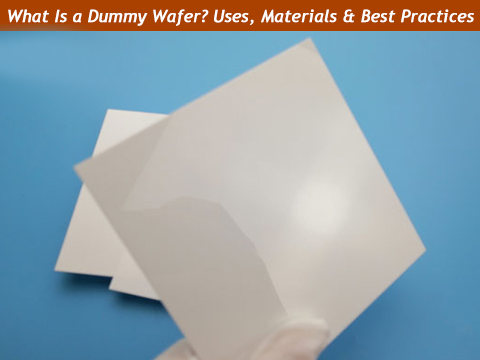
In semiconductor manufacturing, precision and efficiency are crucial. Dummy wafers are specialized wafers used mainly for process testing, equipment calibration, and parameter adjustment, rather than making actual devices. They act as essential tools that allow engineers to refine and stabilize complex processes without risking expensive production wafers.Dummy wafers are commonly used in processes such as epitaxy, chemical mechanical polishing (CMP), etching, and deposition trials. They simulate real wafer conditions, helping engineers adjust equipment, verify stability, and train operators. While dummy wafers may have more surface defects or lower quality compared to production wafers, their low cost makes them invaluable for testing, development, and maintaining production lines.
For engineers, R&D teams, and procurement managers, understanding dummy wafers is key to optimizing workflow, reducing material waste, and keeping product quality consistent.
What Is a Dummy Wafer?
Definition of a Dummy Wafer
A dummy wafer is a wafer used for testing, equipment setup, process development, and maintenance rather than for manufacturing semiconductor devices. It is designed to match the size, thickness, and material characteristics of a production wafer, allowing engineers to evaluate processes without using expensive device-grade substrates.Dummy wafers are commonly used during equipment qualification, recipe development, and routine maintenance. Before processing valuable production wafers, engineers often run dummy wafers through the equipment to confirm that process conditions are stable and that the system is performing as expected.
How Dummy Wafers Differ from Production Wafers
Unlike prime wafers, which must meet strict requirements for surface quality, crystal structure, and defect density, dummy wafers are not intended for device fabrication. They may contain more crystal defects, surface imperfections, or cosmetic flaws that would disqualify them from production use.Because their primary purpose is testing rather than manufacturing, dummy wafers provide a practical and cost-effective alternative for process verification and equipment setup.
Why Dummy Wafers Are Important
Many semiconductor processes require repeated adjustments before production can begin. Using production-grade wafers for every trial run would significantly increase manufacturing costs and material waste.Dummy wafers help manufacturers:
- Reduce development and testing costs
- Protect valuable production wafers from process errors
- Verify equipment performance before production
- Improve process stability and repeatability
- Support routine maintenance and operator training
Common Materials for Dummy Wafers
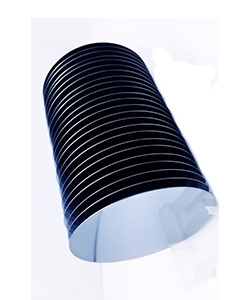
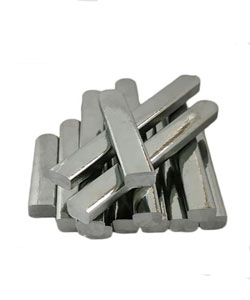
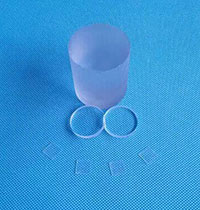
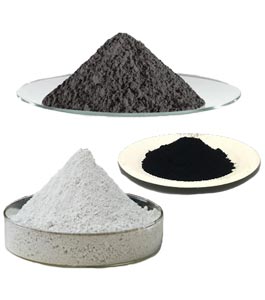
Dummy wafers are available in many of the same materials used for production wafers, including silicon (Si), silicon carbide (SiC), gallium arsenide (GaAs), sapphire, and quartz. The choice of material depends on the process being tested and the operating conditions involved, such as temperature, plasma exposure, or chemical compatibility.
Functions of Dummy Wafers
Dummy wafers serve multiple roles throughout semiconductor manufacturing. They allow engineers to test equipment, develop process recipes, and monitor production conditions without consuming expensive production-grade wafers. While the specific use depends on the manufacturing stage, the primary goal is to create a reliable and repeatable process before processing actual device wafers.
Process Qualification and Recipe Development
Before a new process can enter production, engineers must determine the optimal operating conditions. Dummy wafers are commonly used during this stage to evaluate process parameters and establish stable manufacturing recipes.
Typical activities include:
- Developing deposition recipes
- Optimizing etching parameters
- Defining process windows
- Evaluating temperature profiles
- Testing new materials and process changes
Using dummy wafers during process development allows engineers to make adjustments without risking costly production substrates.
Equipment Calibration and Chamber Conditioning
Many semiconductor tools require calibration, qualification, and conditioning before production begins. Dummy wafers are often run through the equipment to verify that all systems are functioning correctly.
Common examples include:
- Furnace preheating and stabilization
- Chamber seasoning before deposition processes
- Temperature uniformity verification
- Process qualification after maintenance
- Tool setup following equipment installation
These procedures help ensure that process conditions remain consistent from wafer to wafer.
Process Monitoring and Maintenance
Dummy wafers are also valuable for monitoring equipment performance over time. Regular test runs can reveal process drift, contamination issues, or equipment wear before they affect production yield.
Manufacturers may use dummy wafers to:
- Check process repeatability
- Evaluate chamber cleanliness
- Verify equipment stability
- Support preventive maintenance programs
- Confirm process recovery after repairs
This approach helps reduce unplanned downtime and improve long-term process control.
Wafer Handling and Operator Training
In highly automated semiconductor fabs, wafer handling systems must operate with precision. Dummy wafers provide a safe and cost-effective way to test robotic handling systems and train personnel.
Typical applications include:
- Robotic transfer testing
- Cassette and carrier verification
- Wafer alignment checks
- Equipment startup procedures
- Operator training programs
Because dummy wafers closely match the dimensions of production wafers, they can accurately simulate real manufacturing conditions while minimizing costs.
Applications of Dummy Wafers
Dummy wafers are used in many stages of semiconductor manufacturing to support process development, equipment setup, and production maintenance. By replacing production-grade wafers during testing and adjustment, they help reduce costs and minimize material waste.Epitaxy Processes
Dummy wafers are commonly used during epitaxial growth to stabilize equipment conditions and verify process parameters before production wafers are introduced. This helps ensure consistent process performance and reduces the risk of costly errors.Thin Film Deposition
In deposition processes such as PVD, CVD, and ALD, dummy wafers are used for recipe development, equipment qualification, and film uniformity testing. They allow engineers to optimize process conditions without consuming valuable production wafers.Etching and CMP Processes
Dummy wafers are widely used for etching and chemical mechanical polishing (CMP) process development. They help engineers evaluate process parameters, improve repeatability, and verify equipment performance before production runs.Wafer Handling and Equipment Testing
Many manufacturers use dummy wafers to test robotic handling systems, wafer transfer equipment, and alignment systems. They are also commonly used for operator training and equipment qualification.Production Line Maintenance
After equipment cleaning, maintenance, or upgrades, dummy wafers are often processed to confirm that tools are operating correctly before production resumes. This helps protect valuable production wafers and maintain stable manufacturing conditions.Material Considerations for Dummy Wafers
The material of a dummy wafer is one of the most important factors in semiconductor testing and process optimization. Choosing the right material ensures that the wafer can withstand the specific process conditions while accurately simulating production wafers.Common Materials
Dummy wafers are available in the same materials used for production wafers, including:- Silicon (Si): The most common material, suitable for general testing and calibration.
- Silicon Carbide (SiC): Ideal for high-temperature processes and hard coatings, often used in advanced power devices.
- Gallium Arsenide (GaAs): Used in RF and optoelectronic device testing.
- Sapphire and Quartz: Suitable for processes that require chemical stability or optical transparency.
Material Selection Factors
When selecting a dummy wafer material, consider:- Process Compatibility: Ensure the material can handle temperature, chemical exposure, and plasma conditions without degradation.
- Mechanical Properties: Hardness and brittleness affect handling and CMP testing.
- Cost vs. Accuracy: Lower-cost materials are acceptable for basic testing, but materials must still accurately simulate production wafers.
- Wafer Size and Thickness: Match the dummy wafer to the production wafer dimensions to ensure reliable testing results.
Best Practices for Dummy Wafer Management
Proper management of dummy wafers is essential to maximize their usefulness, protect production wafers, and reduce costs. While dummy wafers are lower in cost than production-grade wafers, following best practices ensures consistent testing results and longer wafer life.Track Usage and Lifespan
Keeping track of how many times a dummy wafer has been used helps optimize its lifecycle. Recording process types, exposure conditions, and wear patterns allows engineers to determine when a wafer should be replaced or rotated for less critical tests, improving efficiency and minimizing waste.Prevent Contamination
Repeated use of dummy wafers can introduce particles or residues that affect test results. Regular cleaning, inspection, and timely replacement help maintain a clean equipment environment, ensuring accurate process validation and protecting production wafers.Match Wafers to Process Requirements
Different processes impose specific demands on dummy wafers. For example, thin-film deposition may require wafers with smoother surfaces, while CMP testing might tolerate more surface imperfections. Selecting the right type of dummy wafer for each process ensures more reliable testing outcomes and process optimization.Manage Inventory Effectively
Even though dummy wafers are not part of the final product, maintaining proper inventory is important. Balancing stock levels with process needs prevents shortages, reduces unnecessary storage costs, and ensures that the right wafers are always available for testing or maintenance.End-of-Life Handling
When a dummy wafer reaches the end of its useful life, it should be disposed of responsibly or repurposed. Many silicon wafers can be recycled or reused for lower-grade testing applications, helping minimize material waste and support sustainable operations.Conclusion
Dummy wafers are often overlooked because they never become part of the final device. Yet they play a critical role behind the scenes, helping engineers refine processes, qualify equipment, and reduce manufacturing risks.In many cases, the success of a production wafer begins with a dummy wafer. By selecting the right material and managing it effectively, manufacturers can improve process reliability while controlling costs.
If you need dummy wafers for testing, equipment qualification, or process development, AEM Deposition offers a wide range of wafer materials and specifications to meet your requirements.