


 +86-731-89578196
 [email protected]


- Home
- Our Company
-
Products
Sputtering Targets
- Industries
- Blog
- FAQ
- Contact Us
TiN Coating: Properties, Applications, and PVD Deposition Guide
views, Updated: 2026-07-21
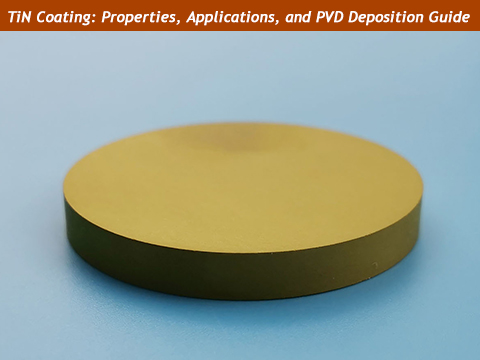
Introduction
TiN coating (Titanium Nitride coating) is one of the most widely used PVD coatings for improving the surface performance of industrial components. It is known for its high hardness, excellent wear resistance, low friction, and good chemical stability.TiN coating is easy to recognize because of its golden color, but its value goes far beyond appearance. In many industrial applications, TiN coatings help reduce surface damage, extend component service life, and improve the performance of tools and precision parts.
TiN coatings are commonly produced through PVD processes, especially reactive magnetron sputtering and cathodic arc evaporation. During sputtering, titanium atoms are released from a titanium target inside a vacuum chamber. These titanium atoms react with nitrogen gas to form a thin and durable TiN film on the surface of the component.
The quality of the coating depends on several factors, including deposition conditions, substrate preparation, and the quality of the sputtering target. A high-purity titanium sputtering target helps achieve stable deposition, uniform coating thickness, and consistent film performance.
In this guide, we will explain what TiN coating is, its main properties, common applications, PVD deposition methods, and the role of sputtering targets in producing high-quality TiN coatings.
1. What Is TiN Coating?
1.1 Definition of Titanium Nitride (TiN)
TiN coating, or Titanium Nitride coating, is a hard ceramic coating made from titanium and nitrogen atoms. It is usually deposited onto the surface of metals, alloys, and other engineering materials through PVD (Physical Vapor Deposition) processes.TiN has the chemical formula TiN and belongs to a group of advanced ceramic materials known as transition metal nitrides. Unlike traditional surface treatments that only change the outer appearance of a component, TiN coating creates a thin protective layer that improves the surface properties of the material.
The coating typically has a bright golden color, which makes TiN popular for decorative applications. However, its main industrial value comes from its excellent mechanical and chemical properties.
1.2 Why Is TiN Used as a Coating Material?
Many industrial components experience friction, heat, and repeated contact during operation. Without proper surface protection, these conditions can lead to wear, corrosion, and reduced service life.TiN coating helps overcome these challenges by adding a durable protective layer to the component surface. Its main benefits include:
· Improved wear resistance: TiN coating protects surfaces from abrasion and extends component lifetime.
· Reduced friction: The smooth coating surface helps reduce friction between moving parts.
· Better thermal stability: TiN maintains good performance under elevated temperatures.
· Enhanced chemical resistance: The coating provides protection against oxidation and chemical attack.
· Improved appearance: The golden metallic finish provides an attractive decorative surface.
Because of this combination of performance and appearance, TiN coating is widely used in cutting tools, precision components, medical devices, and decorative products.
For industrial PVD coating applications, achieving consistent TiN film quality requires not only optimized deposition parameters but also reliable sputtering materials, such as high-purity titanium sputtering targets.
2. Key Properties and Advantages of TiN Coating
TiN coating is widely used in industrial applications because it improves the surface performance of components without changing their basic material properties. Its combination of hardness, wear resistance, stability, and appearance makes it one of the most popular PVD hard coatings.2.1 High Hardness and Wear Resistance
One of the most important advantages of TiN coating is its high hardness. TiN coatings typically have a hardness of around 2,000–2,500 HV, allowing them to withstand high mechanical stress and repeated friction.This high hardness helps protect the substrate surface from scratches, abrasion, and wear. As a result, TiN coating can extend the service life of many industrial components.
For example, in cutting tool applications, TiN coating helps reduce tool wear during machining, allowing tools such as drills, milling cutters, and inserts to maintain their performance for longer periods.
2.2 Low Friction Performance
TiN coating provides a smooth surface with good friction-reducing properties. By lowering friction between contacting surfaces, TiN helps reduce heat generation and mechanical damage during operation.This makes TiN coating suitable for components that experience continuous movement or sliding contact, including precision parts, molds, and mechanical components.
2.3 Excellent Thermal and Chemical Stability
TiN has a stable ceramic structure that allows it to maintain good performance under demanding conditions. It offers good resistance to oxidation, heat, and chemical reactions.This stability makes TiN coating suitable for applications where components are exposed to high temperatures or harsh working environments. It helps maintain surface protection and improves the reliability of coated parts.
2.4 Improved Corrosion Protection
Due to its dense structure and chemical stability, TiN coating can act as a protective barrier between the substrate and the surrounding environment.It helps reduce exposure to:
· Moisture
· Oxygen
· Certain chemical substances
This additional protection improves the durability of components used in automotive, industrial equipment, and precision manufacturing applications.
2.5 Golden Appearance and Decorative Applications
Besides its functional advantages, TiN coating is also well known for its distinctive golden color and metallic appearance.The combination of attractive appearance and scratch resistance makes TiN popular in decorative applications, such as:
· Watches and accessories
· Consumer hardware
· Architectural components
· Luxury products
Unlike traditional decorative finishes, TiN provides both visual appeal and improved surface durability.
3. How Is TiN Coating Deposited?
TiN coating is mainly produced through PVD (Physical Vapor Deposition) processes, where titanium and nitrogen atoms combine to form a thin Titanium Nitride film on the surface of a component.Compared with traditional surface treatment methods, PVD coating provides better control over film thickness, coating structure, and surface performance. It is widely used for cutting tools, precision components, and industrial parts that require high wear resistance and durability.
3.1 PVD Process for TiN Coating
In a typical PVD TiN coating process, titanium atoms are supplied from a titanium target inside a vacuum chamber and react with nitrogen gas to form a TiN layer.The basic process includes:
1. Vacuum preparation
The coating chamber is evacuated to create a controlled environment with low contamination levels. This helps improve coating quality and consistency.
2. Plasma generation
Argon gas is introduced into the chamber and ionized to generate plasma. The positively charged argon ions are accelerated toward the titanium target.
3. Titanium atom sputtering
When argon ions impact the titanium target surface, titanium atoms are released through the sputtering process.
4. TiN film formation
Nitrogen gas is introduced as a reactive gas. The released titanium atoms react with nitrogen atoms and deposit onto the substrate surface, forming a dense TiN coating.
The quality of the final coating depends on several factors, including substrate preparation, deposition parameters, and the quality of the titanium sputtering target.
3.2 Magnetron Sputtering for TiN Coating
Reactive magnetron sputtering is one of the most commonly used methods for industrial TiN coating production. It offers excellent control over coating composition, thickness, and uniformity.During the process:
· A titanium sputtering target provides the titanium source
· Argon gas generates the plasma
· Nitrogen gas reacts with titanium atoms to form TiN
· The substrate receives the deposited coating layer
By adjusting parameters such as nitrogen flow rate, chamber pressure, power, and substrate temperature, manufacturers can control important coating properties, including:
· Film thickness
· Hardness
· Adhesion strength
· Surface quality
· Chemical composition
High-quality titanium sputtering targets are essential for stable deposition. Target purity, density, and microstructure directly influence sputtering efficiency and coating consistency.
3.3 Other PVD Methods for TiN Coating
Besides magnetron sputtering, TiN coatings can also be produced using other PVD technologies.Cathodic Arc Evaporation
Cathodic arc evaporation uses an electric arc to evaporate titanium from the target and generate highly ionized metal plasma. This method provides:· High deposition rate
· Dense coating structure
· Strong coating adhesion
However, the process may generate small metal droplets (macroparticles), which can affect the surface smoothness of the coating.
Ion Plating
Ion plating combines vapor deposition with ion bombardment to improve coating adhesion and surface quality. It can be used when stronger bonding between the coating and substrate is required.3.4 PVD vs CVD TiN Coating
Besides PVD, TiN coatings can also be produced through CVD (Chemical Vapor Deposition). Both methods have their own advantages depending on the application.| Feature | PVD TiN Coating | CVD TiN Coating |
|---|---|---|
| Processing temperature | Lower | Higher |
| Coating thickness | Usually thinner | Can be thicker |
| Surface quality | Excellent | Good |
| Substrate compatibility | Suitable for many temperature-sensitive materials | Requires materials with higher temperature resistance |
| Common applications | Cutting tools, precision components, decorative coatings | High-temperature industrial applications |
Overall, the TiN coating process requires precise control of both deposition conditions and coating materials. A high-quality titanium sputtering target plays an important role in achieving stable deposition, uniform film structure, and reliable coating performance.
4. TiN Coating vs Other PVD Coatings
TiN coating is one of the most established PVD hard coatings, but it is not the only option available. Depending on the application requirements, other coatings such as TiCN, CrN, and AlTiN may provide better performance in specific areas.Choosing the right coating depends on factors such as hardness, temperature resistance, wear conditions, corrosion environment, and the type of substrate being coated.
4.1 TiN vs TiCN Coating
TiCN (Titanium Carbon Nitride) coating is a modified version of TiN that contains carbon in addition to titanium and nitrogen. The addition of carbon increases hardness and improves wear resistance compared with traditional TiN coatings.TiN advantages:
· Excellent balance of hardness and toughness· Good oxidation resistance
· Lower cost and widely available
· Suitable for general-purpose applications
TiCN advantages:
· Higher hardness than TiN· Better abrasion resistance
· Suitable for applications involving higher mechanical loads
TiCN is often used for cutting tools and forming tools that require improved wear performance. However, TiN remains popular because of its versatility, stable performance, and attractive golden appearance.
4.2 TiN vs CrN Coating
CrN (Chromium Nitride) coating is another widely used PVD coating known for its excellent corrosion resistance and good wear performance.Compared with TiN:
| Property | TiN Coating | CrN Coating |
|---|---|---|
| Hardness | High | Moderate to high |
| Wear resistance | Excellent | Excellent |
| Corrosion resistance | Good | Better |
| Appearance | Golden | Silver-gray |
| Common applications | Cutting tools, decorative coatings | Automotive parts, molds, corrosion-resistant components |
CrN is often selected for components exposed to moisture, chemicals, or corrosive environments. TiN, on the other hand, is preferred when a combination of hardness, appearance, and cost efficiency is required.
4.3 TiN vs AlTiN Coating
AlTiN (Aluminum Titanium Nitride) coating is a high-performance PVD coating designed for demanding high-temperature applications.The addition of aluminum improves oxidation resistance and allows AlTiN coatings to maintain performance at elevated temperatures.
TiN advantages:
· Lower processing cost· Excellent surface appearance
· Suitable for general machining applications
AlTiN advantages:
· Higher temperature resistance· Better performance in high-speed machining
· Suitable for difficult-to-machine materials
AlTiN is commonly used for advanced cutting applications where tools experience high temperatures and heavy loads. However, TiN remains a widely used coating due to its reliable performance across a broad range of applications.
4.4 How to Choose the Right PVD Coating?
The best coating depends on the specific working conditions:· General-purpose tools and decorative applications: TiN coating
· Higher wear resistance requirements: TiCN coating
· Corrosive environments: CrN coating
· High-temperature machining: AlTiN coating
While newer PVD coatings continue to be developed, TiN coating remains one of the most versatile and widely adopted solutions because of its balanced performance, mature production technology, and wide application range.
For manufacturers producing TiN coatings, selecting high-quality sputtering materials, such as reliable titanium sputtering targets, is also essential for achieving consistent coating performance.
5. Applications of TiN Coating
Due to its excellent hardness, wear resistance, low friction, chemical stability, and attractive appearance, TiN coating (Titanium Nitride coating) is widely used in industrial and decorative applications. It helps improve component durability, reduce wear, and enhance surface performance.5.1 Cutting Tools and Machining Components
Cutting tools are one of the most common applications of TiN coating. During machining, tools are exposed to high friction, heat, and mechanical stress, which can lead to rapid wear.TiN coating provides a hard protective layer that helps:
· Reduce tool wear
· Lower friction between the tool and workpiece
· Improve machining stability
· Extend tool service life
Common applications include drills, milling cutters, cutting inserts, and taps. By improving tool durability, TiN coating helps manufacturers reduce downtime and maintain consistent machining quality.
5.2 Molds and Precision Components
Molds and mechanical components often experience repeated contact and friction during operation. TiN coating improves surface hardness and reduces friction, helping components maintain performance for longer periods.Typical applications include:
· Injection molding tools
· Stamping dies
· Forming tools
· Precision mechanical parts
The coating can improve release performance, reduce surface damage, and extend maintenance cycles.
5.3 Aerospace, Automotive, and Medical Applications
In aerospace and automotive industries, components must withstand demanding conditions such as high temperatures, friction, and mechanical loads. TiN coating provides additional surface protection through improved wear resistance and chemical stability.Common applications include:
· Engine and transmission components
· Precision mechanical parts
· Wear-resistant components
TiN coating is also used in medical instruments due to its high hardness, corrosion resistance, and stable surface properties. Applications include surgical tools and biomedical components that require long-term durability.
5.4 Semiconductor and Electronic Applications
Beyond traditional hard coatings, TiN is also an important material in semiconductor manufacturing. Its good electrical conductivity and chemical stability make it suitable for thin-film applications.TiN films are commonly used as:
· Barrier layers
· Electrode materials
· Conductive thin films
For example, TiN can act as a diffusion barrier in copper interconnects, helping prevent copper migration and improving semiconductor device reliability.
5.5 Decorative Applications
TiN coating is well known for its golden metallic appearance. Combined with excellent scratch resistance and durability, it is widely used for decorative products such as watches, jewelry, hardware, and luxury consumer products.Unlike traditional decorative finishes, TiN provides both an attractive appearance and long-lasting surface protection.
Overall, TiN coating is a versatile PVD coating solution that serves both functional and decorative purposes. Its combination of durability, stability, and appearance makes it suitable for applications ranging from industrial tools and semiconductor components to consumer products.
6. TiN Sputtering Targets: Materials for High-Quality TiN Coatings
The quality of a TiN coating depends not only on the deposition process but also on the sputtering target used. In PVD coating systems, the target material provides the elements needed to form the TiN film.Depending on the coating process, TiN films can be deposited using:
· Titanium sputtering targets with nitrogen reactive gas (reactive magnetron sputtering)
· TiN sputtering targets (direct sputtering of Titanium Nitride material)
Both approaches can produce high-quality TiN coatings when suitable process conditions and target materials are selected.
6.1 Titanium Targets vs TiN Sputtering Targets
Titanium Sputtering Targets
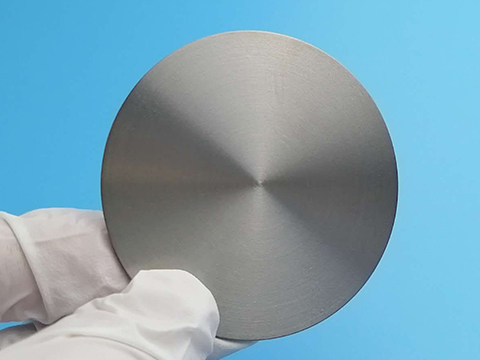
In reactive magnetron sputtering, titanium targets are commonly used as the metal source.
During deposition:
1. Argon ions bombard the titanium target.
2. Titanium atoms are released from the target surface.
3. Titanium reacts with nitrogen gas.
4. TiN coating forms on the substrate.
Advantages:
· High deposition efficiency
· Good process flexibility
· Widely used for industrial TiN coating production
TiN Sputtering Targets
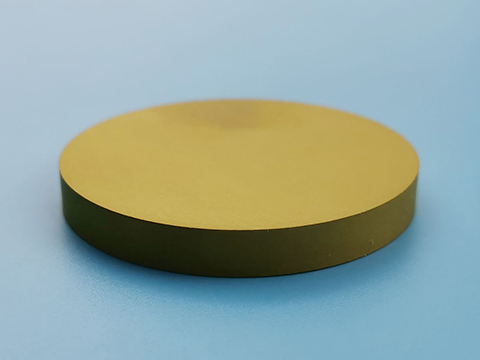
TiN sputtering targets are made from Titanium Nitride material and can be used for direct sputtering deposition.
Advantages include:
· Direct supply of TiN material
· Stable film composition
· Suitable for applications requiring precise TiN chemistry control
TiN targets are often considered for advanced thin-film applications where composition accuracy and film consistency are important.
6.2 Key Requirements for High-Quality TiN Targets
Whether using titanium targets or TiN targets, target quality directly affects coating performance.Important factors include:
High Purity
High-purity target materials reduce contamination during deposition and help produce cleaner films with better performance.High Density and Uniform Structure
A dense and uniform target structure supports stable sputtering behavior and improves coating consistency.Accurate Dimensions and Bonding
Proper target dimensions and reliable bonding ensure good equipment compatibility and effective heat management during sputtering.Conclusion
A good TiN coating starts with more than just the coating process. The final performance depends on the entire system, including the substrate, deposition conditions, and the quality of the sputtering target.As industries require coatings with better durability and consistency, selecting the right TiN sputtering targets and titanium sputtering targets becomes increasingly important. High-quality target materials help achieve stable deposition, uniform coatings, and reliable performance.
With its excellent combination of hardness, wear resistance, and surface protection, TiN coating will continue to support applications from cutting tools and industrial components to semiconductor technologies.
AEM Deposition provides high-quality TiN sputtering targets, titanium sputtering targets, and customized PVD materials for different coating needs. Contact us to discuss your requirements and find the right sputtering solution for your application.
LATEST NEWS